MALIBU: testing how LiDAR can improve methane measurements from air and space
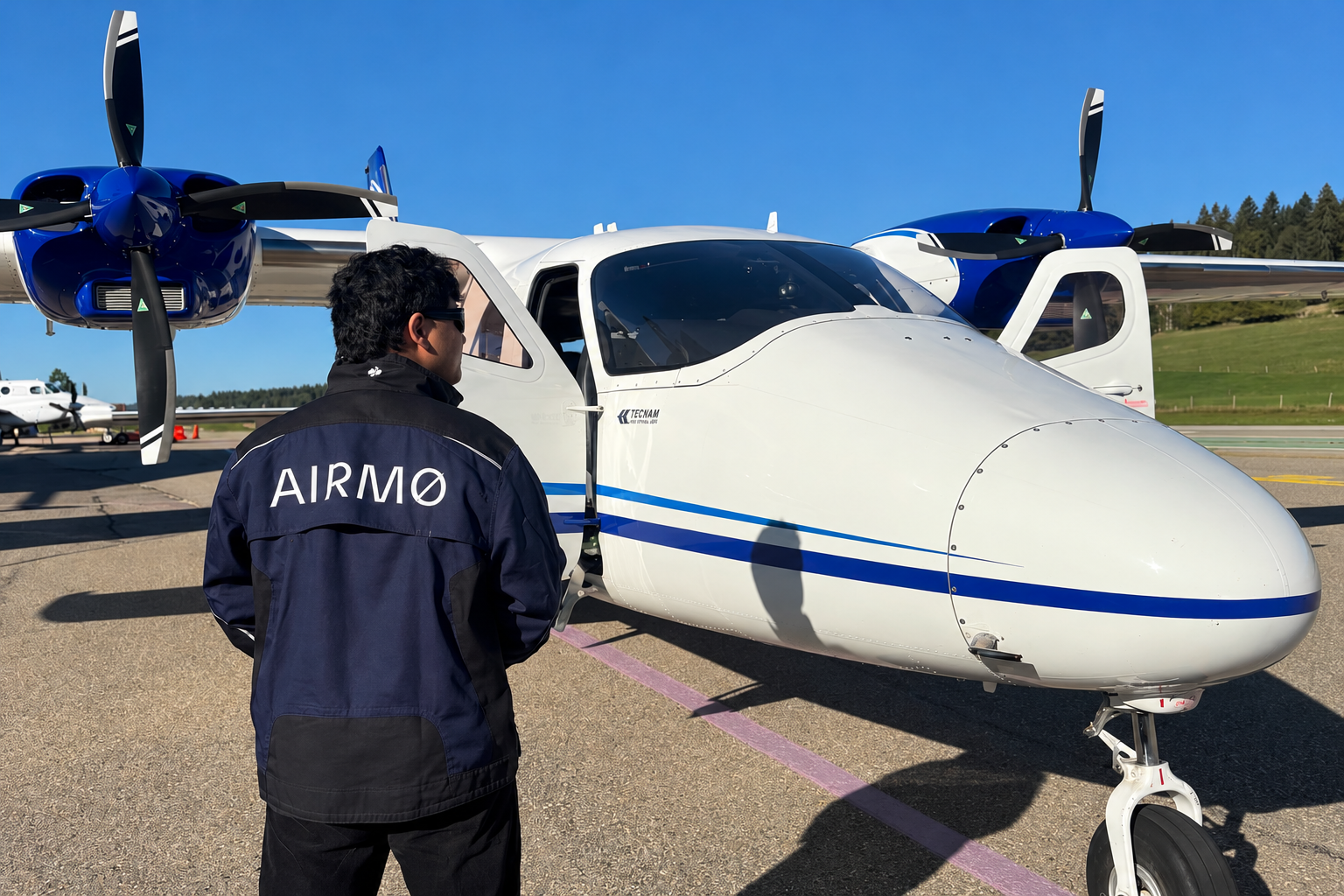
In September 2026, AIRMO flew its SWIR imaging spectrometer and micro-LiDAR together over Lampedusa Island and Sicily during a Saharan dust outbreak. The flights formed part of MALIBU (short for Methane Absorption Lidar Bias Uncertainty) and addressed an essential question to the development of AIRMO’s future satellite instrument: how much can LiDAR help improve methane retrievals when aerosols affect the measurement?
Initial results indicate that incorporating LiDAR measurements of aerosol layers reduced bias in the methane retrievals compared with using the spectrometer alone. Analysis of the full dataset is ongoing.
Building on the preHAPS campaign in Hambach
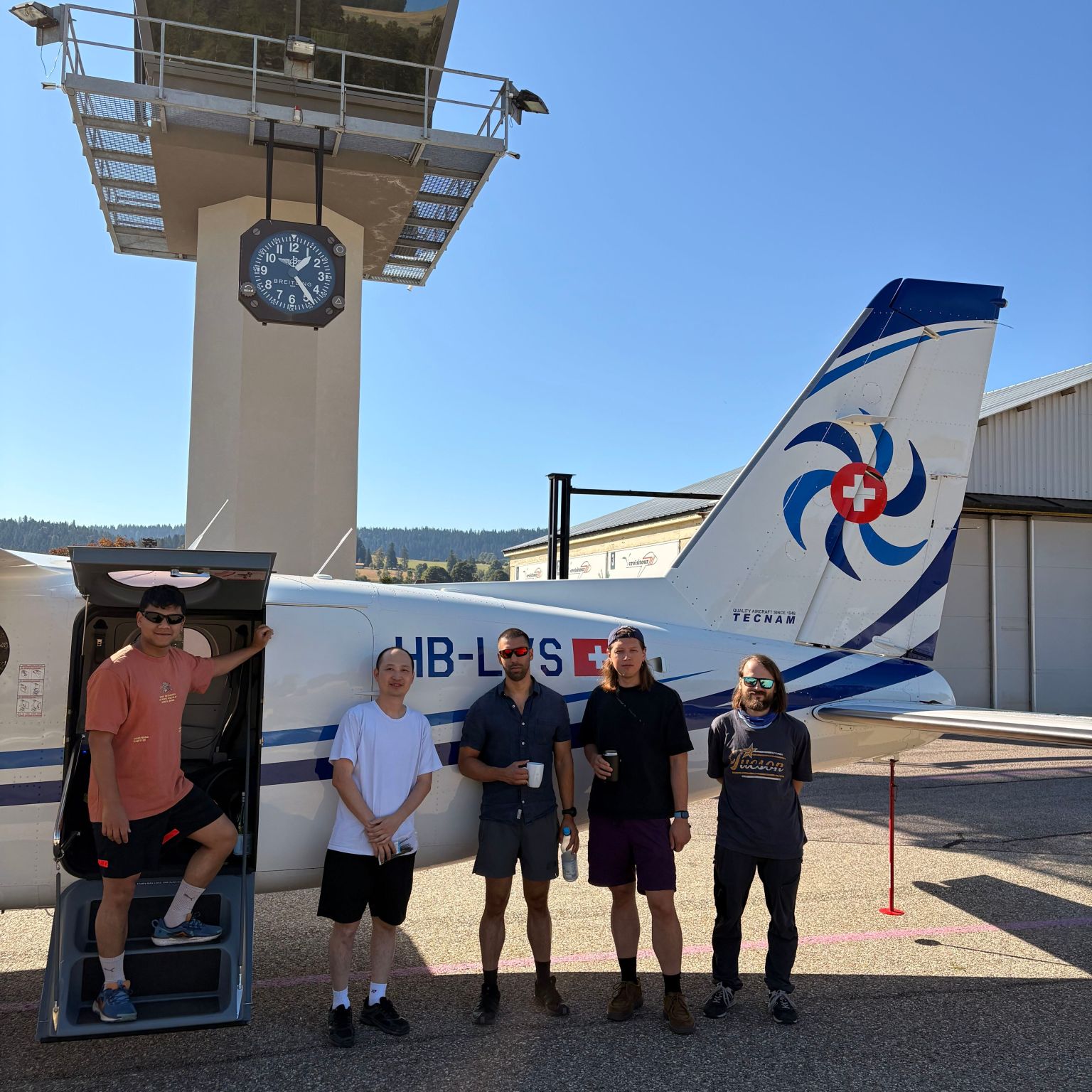
MALIBU builds on AIRMO’s earlier preHAPS campaign in Hambach, Germany, where the team first flew its fully operational payload demonstrator combining a SWIR spectrometer, a micro-LiDAR and a camera. Developed in-house, the payload collected methane and aerosol data continuously for around two hours from an altitude of approximately 4 km above the Hambach open-pit mine.
The campaign demonstrated that the instruments could operate together in flight, laying the groundwork for MALIBU’s investigation of aerosol-induced uncertainty in methane measurements.
Why dust, aerosols and clouds matter
Imaging spectrometers measure methane through its absorption of sunlight reflected from the Earth’s surface. The signal also carries the effects of the atmosphere through which that light has travelled.
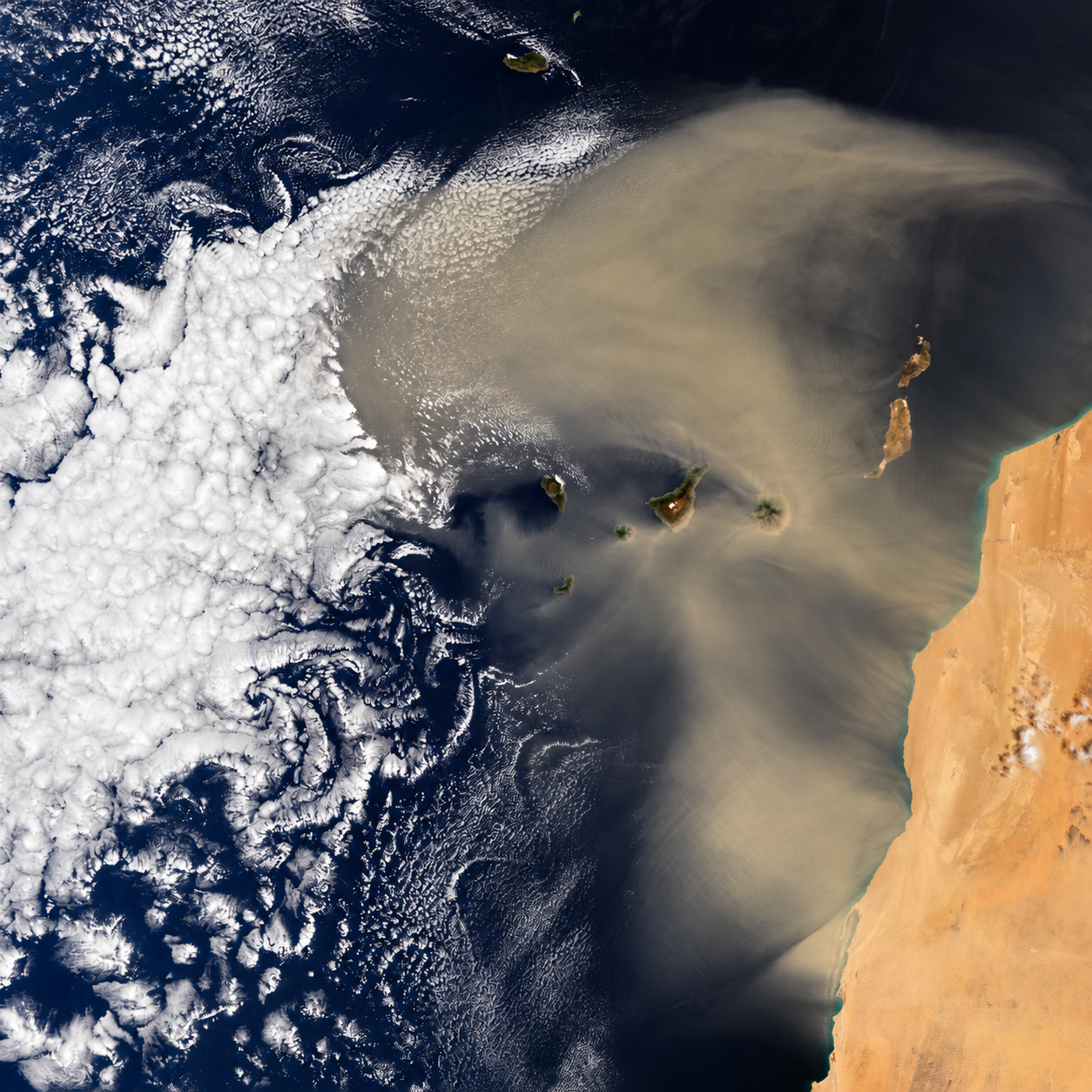
Aerosols, including mineral dust, scatter sunlight and change its path. If these effects are not adequately accounted for, the retrieved methane concentrations can be overestimated or underestimated.
Surface reflectivity adds another variable. Bright and dark surfaces return different amounts of light, and their interaction with aerosol scattering can affect the resulting methane estimate.
During MALIBU, clouds at several altitudes added complexity to the measurements, making it more challenging to separate aerosol effects from other atmospheric influences. These conditions provided an opportunity to assess the combined instruments under the variable skies encountered in real-world monitoring.
Two instruments, one research question
MALIBU investigates whether a micro-LiDAR can provide the additional information needed to better account for these effects.
While the SWIR spectrometer measures methane absorption, the LiDAR provides vertical information about aerosol and cloud layers. Combining these observations allows the retrieval process to use measured information about the atmosphere when interpreting the spectrometer signal.
The campaign was designed to test two things: whether an aerosol-induced bias can be identified in the retrieved methane concentrations, and how the retrieval changes when LiDAR information is included, compared with using the spectrometer alone.
Flying both instruments together over Lampedusa and Sicily during a Saharan dust outbreak provided field data for this comparison. Analysis of the full dataset is ongoing, with the focus on assessing the contribution of the LiDAR measurements and the conditions under which they improve the retrieval.
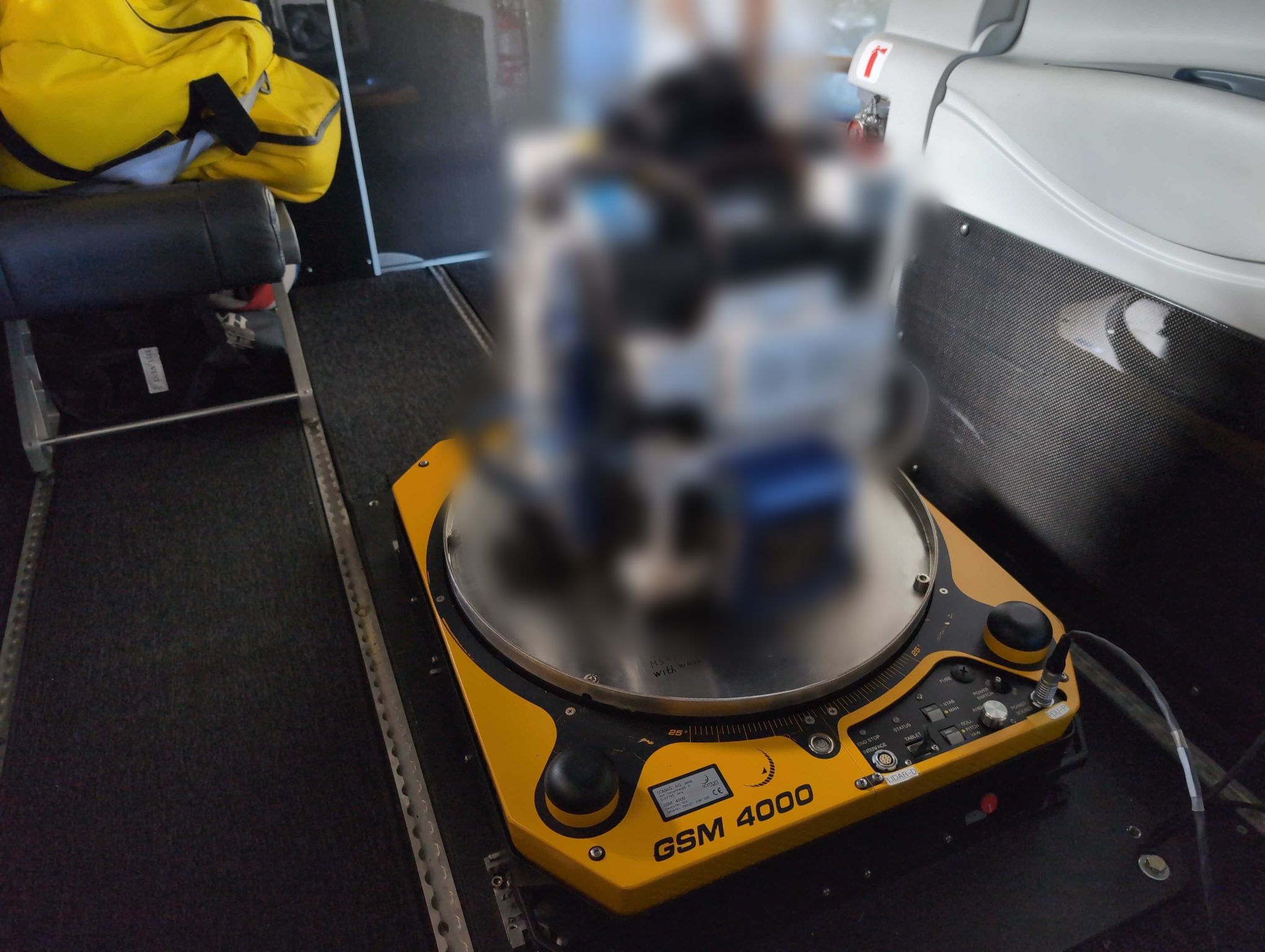
From airborne testing to our first satellite
This work feeds into the development of AIRMO’s planned satellite launch, targeted for 2027. Airborne campaigns provide an opportunity to test the instruments together and assess the processing approach under real atmospheric conditions.
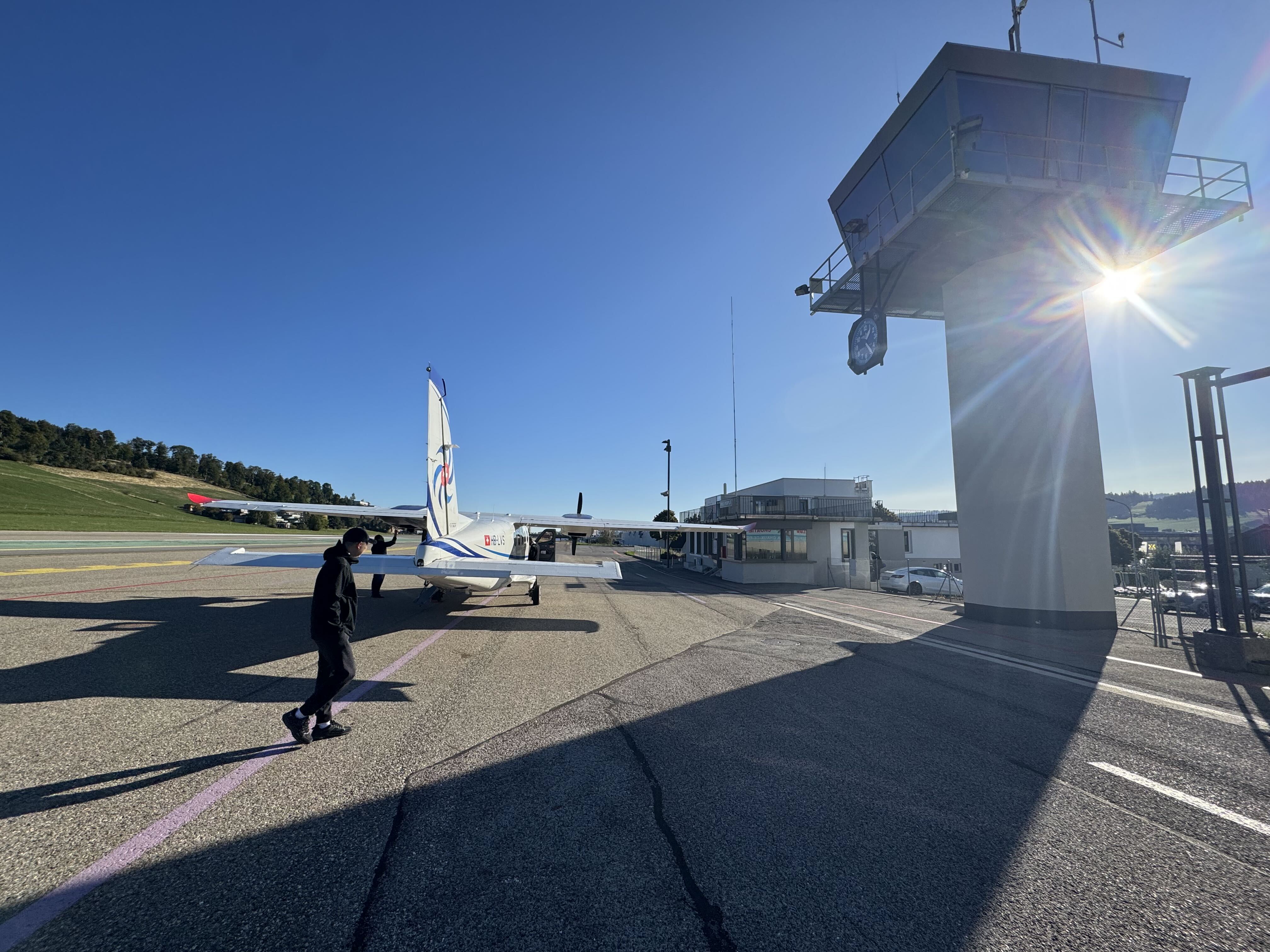
For methane monitoring in regions affected by mineral dust, understanding aerosol-induced uncertainty is an important part of developing reliable measurements. MALIBU is helping AIRMO evaluate how combining SWIR spectroscopy with micro-LiDAR can address that challenge.
Results from the HAPS campaign were presented at the International Conference on Space Optics (ICSO 2026) in Sorrento, Italy, highlighting improvements in methane detection and quantification achieved by combining SWIR and LiDAR data. AIRMO’s Chief Scientific Officer, Errico Armandillo, also co-chaired sessions on spectrometers and lasers for remote sensing.
First results from MALIBU are also being presented at the Emissions Monitoring from Space and Ground Conference, held from 26 to 30 October 2026 at ESA ESRIN in Frascati, Italy. Attendees are invited to visit the MALIBU poster to discuss the findings and next steps in the analysis.
AIRMO thanks the scientific, aircraft operations, payload engineering and site operations teams whose preparation and coordination made the campaign possible.